Zoosedin 20
Atipamezole HCl 20 mg/ml (10 ml vial)
Veterinary Medicine
Scheduling Status: S4
Proprietary Name and Dosage Form
ZOOSEDIN 20 INJECTION
Composition
Each ml contains:
- 20 mg atipamezole (as hydrochloride)
- Preservative: Methylparaben 0,1% m/v
Other ingredients:
- Sodium hydroxide
- Hydrochloric acid
- Water for injection
Category and Class of Medicine
C 1.4.3 Sedative antagonist
Pharmacological Action
Atipamezole is an imidazoline agent that is a potent selective α2-antagonist. It is used in a wide variety of wildlife animals for reversal of the effects of α2-agonists.
Atipamezole binds to α2-adrenergic receptors, competitively inhibiting the effects of α2-agonists both peripherally and centrally.
Atipamezole is devoid of significant interactions with other neurotransmitter receptors, showing no activity at β-adrenergic, histaminergic, serotonergic, dopaminergic, GABA, opioid, or benzodiazepine receptor sites.
Atipamezole increases the neuronal release of noradrenaline and rapidly antagonises the sedative, muscle relaxant, analgesic and cardiovascular effects of α2-agonists.
Atipamezole has a high affinity for α2A-, α2B-, and α2C-adrenoceptor sub-types in both humans and rodents, suggesting that there are no species-specific differences in its effects.
Atipamezole has the highest α2-receptor affinity of the available α2-antagonists and is the preferred antagonist for the reversal of medetomidine.
Pharmacokinetic and Pharmacodynamic Properties
Atipamezole is rapidly absorbed after IM injection, with reversal of medetomidine-induced sedation occurring within 10 minutes of injection.
Its elimination half-life is less than 3 hours but can vary between species, routes of administration and doses.
Atipamezole undergoes extensive hepatic biotransformation, with excretion of metabolites primarily occurring in urine.
Indications
ZOOSEDIN 20 is indicated for use in wildlife animals for the reversal of the sedative, muscle relaxant and analgesic effects of previously administered medetomidine, detomidine and xylazine.
Contraindications
None recorded.
Warnings
The safety of ZOOSEDIN 20 in pregnant and lactating wildlife animals has not been established.
ZOOSEDIN 20 residue studies have not been conducted in wildlife animals.
Carcasses of animals treated with ZOOSEDIN 20 within 90 days of slaughter should be discarded and are not considered safe for human or predator consumption.
Dosage and Directions for Use
ZOOSEDIN 20 should be administered IM to allow for gradual awakening and to minimise changes in blood pressure, heart rate and cardiac output.
The following doses are recommended for reversal of α2-agonists:
| Alpha2-agonist | ZOOSEDIN 20 Dose |
|---|---|
| 1 mg medetomidine | 4–5 mg |
| 10 mg xylazine | 1 mg |
| 1 mg detomidine | 4–6 mg |
Side Effects and Special Precautions for Use
ZOOSEDIN 20 can produce abrupt reversal of sedation and care should be taken when handling aggressive species.
ZOOSEDIN 20 may have adverse effects such as hypotension, tachycardia, excitement and removal of α2-agonist induced analgesia.
Other side effects such as hyper-salivation, diarrhoea and tremors have been noted at high doses.
IV administration of ZOOSEDIN 20 should be avoided: it may result in re-sedation of wildlife animals as its elimination half-life is shorter than that of medetomidine.
IV administration of ZOOSEDIN 20 increases venous plasma noradrenaline concentrations and abrupt changes in cardiovascular function may occur.
Known Symptoms of Overdosage and Particulars of Its Treatment
No data is available on overdosing in wildlife animals.
In a target animal safety and toxicity study performed in dogs, the administration of atipamezole was not associated with any life-threatening toxicity when given in a single dose at 10x the anticipated use rate or when given daily for three consecutive days at 1x, 3x or 5x the anticipated dose rate.
These results were consistent without prior administration of medetomidine and at 3x the anticipated dose rate following the administration of medetomidine.
Identification
A clear, colourless sterile solution free from visible particulates.
Presentation
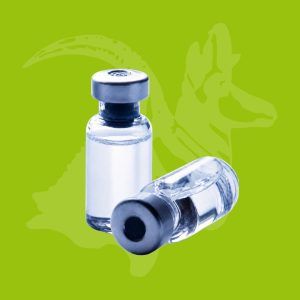
ZOOSEDIN 20 is supplied in a 10 ml amber glass vial with a grey rubber stopper and a white plastic cap.
Storage Instructions
Store at or below 25 °C.
Do not refrigerate.
Protect from light.
KEEP OUT OF REACH OF CHILDREN AND UNINFORMED PERSONS.
Registration Number
19/1.4.3/09
Holder of the Certificate of Registration
Wildlife Pharmaceuticals (Pty) Ltd
38 Wilken Street
Rocky Drift
White River
1240
South Africa
Date of Publication
21 May 2024
Related products
Butadyne 50
Veterinary Medicine
Scheduling Status: S6
Proprietary Name and Dosage Form
BUTADYNE 50 INJECTION
Composition
Each ml contains:
- 50 mg butorphanol as tartrate
- Preservative: Benzethonium chloride 0,02% m/v
Other ingredients:
- Trisodium citrate
- Citric acid anhydrous
- Sodium chloride
- Water for injection
- Sodium hydroxide or hydrochloric acid for pH adjustment
Category and Class of Medicine
C 1.3.1 Opioid agonist
Dormadet 40
Veterinary Medicine
Scheduling Status: S5Proprietary Name and Dosage Form
DORMADET 40 INJECTIONComposition
Each ml contains:- 40 mg medetomidine (as hydrochloride)
- Preservative: Methylparaben 0,1% m/v
- Sodium chloride
- Water for injection
- Sodium hydroxide or hydrochloric acid for pH adjustment
Category and Class of Medicine
C 1.4.2 Sedative analgesicSedolam 50
Veterinary Medicine
Scheduling Status: S5Proprietary Name and Dosage Form
SEDOLAM 50 INJECTIONComposition
Each ml contains:- 50 mg midazolam (as hydrochloride)
- Preservative: Methylparaben 0,1% m/v
- Sodium hydroxide
- Hydrochloric acid
- Water for injection
Category and Class of Medicine
C 1.4.1 Sedative hypnoticTrexonil
Veterinary Medicine
Scheduling Status: S4Proprietary Name and Dosage Form
TREXONIL INJECTIONComposition
Each ml contains:- Naltrexone hydrochloride 50 mg
- Preservative: Methylparaben 0,18% m/v
- Preservative: Propylparaben 0,02% m/v
