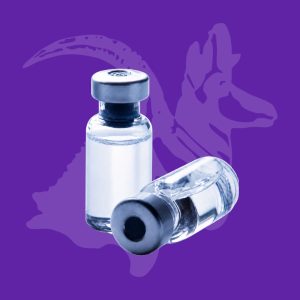
Sedolam 50

Midazolam HCl 50 mg/ml (10 ml vial)

Veterinary Medicine

Scheduling Status: S5

Proprietary Name and Dosage Form

SEDOLAM 50 INJECTION

Composition

Each ml contains:

  • 50 mg midazolam (as hydrochloride)
  • Preservative: Methylparaben 0,1% m/v

Other ingredients:

  • Sodium hydroxide
  • Hydrochloric acid
  • Water for injection

Category and Class of Medicine

C 1.4.1 Sedative hypnotic

Pharmacological Action

Midazolam is a water-soluble benzodiazepine commonly used in veterinary medicine as a sedative hypnotic or adjunct to anaesthetics. Midazolam is generally administered to facilitate restraint and aid anaesthesia induction.

Midazolam exerts its activity at benzodiazepine receptors found within the CNS that form part of a supramolecular complex containing GABA receptors and chloride channels. Midazolam modifies the GABA-binding sites in this complex and increases the action of GABA on nerve cells.

Sedative effects of midazolam may be attributed to potentiation of GABA pathways that act to regulate release of monoamine neurotransmitters in the CNS. Midazolam acts as a muscle relaxant by inhibiting spinal pathways and directly depressing motor nerve and muscle function.

Pharmacokinetic and Pharmacodynamic Properties

No pharmacokinetic studies have been done in wildlife animals. The pharmacokinetics of midazolam in domestic animals shows variation between species and routes of administration.

In dogs, the elimination half-life is variable (0,46 hours following IV administration to 1,6 hours following IM administration) with a high clearance rate (10–28 ml/kg/min). In horses, the elimination half-life is 3,6 hours following IV administration and 6,8 hours following IM administration with a high clearance rate of 10,4–10,6 ml/min/kg. In sheep, the elimination half-life of midazolam following IV administration is 0,78 hours with a clearance of 21,2 ml/min/kg.

Midazolam is metabolised in the liver and the metabolites are excreted in the urine. Elimination of midazolam occurs in a biphasic manner and consists of an initial rapid redistribution phase, followed by a slower terminal phase.

Aqueous midazolam preparations produce little tissue irritation when injected. Following injection into an environment of relatively neutral tissue pH, the chemical structure of midazolam shifts to a completely ring-closed form, which makes the medicine highly lipophilic. This lipophilic form is rapidly absorbed from the injection site and easily penetrates the CNS.

Indications

SEDOLAM 50 is indicated for sedation and induction of anaesthesia in wildlife animals. Controlled clinical trials with SEDOLAM 50 have only been conducted in blesbok.

Contraindications

None recorded.

Warnings

The rapid onset of action following IV administration of SEDOLAM 50 may lead to paradoxical excitation or serious cardiorespiratory depression.

The safety of SEDOLAM 50 in pregnant and lactating wildlife animals has not been established. Reproduction toxicology and teratological studies in domestic animal species has shown that midazolam is neither embryotoxic nor teratogenic and exerts no influence on the fertility and post-natal development of animals. Studies in rats showed no adverse effects on reproductive parameters during gestation and/or lactation.

SEDOLAM 50 residue studies have not been conducted in wildlife animals. Human and predator consumption of carcasses from animals treated with SEDOLAM 50 is not advised.

Dosage and Directions for Use

SEDOLAM 50 dosing is dependent on species, body mass and the condition of the wildlife animal being treated.

Administration by IV injection is recommended. Refer to the recommended dosage tables below.

Side Effects and Special Precautions for Use

No severe side effects have been reported in wildlife animals. Administration of SEDOLAM 50 in combination with ketamine may result in respiratory depression and vomiting. Special precautions should be taken when SEDOLAM 50 is administered IV as abnormal excitement has been reported.

Due to its high concentration, accidental exposure to SEDOLAM 50 could have serious effects on humans.

Veterinarians are advised to take the following precautions when handling SEDOLAM 50:

  • Do not work with the product when unaccompanied.
  • Avoid using the product in devices where the solution is pressurised, e.g. blowpipes.
  • Wear gloves when handling the product.
  • Discard used needles in an appropriate sharps container immediately after use.
  • In the event of topical exposure, rinse the affected area with copious amounts of water. Monitor for signs of toxicity including impaired level of consciousness, ataxia and dysarthria.
  • Should accidental injection occur, administer the antidote (flumazenil) and seek medical attention immediately.
  • Severe exposure may result in respiratory depression, hypotension and hypothermia. Monitor the airways and initiate CPR if needed.

Known Symptoms of Overdosage and Particulars of Its Treatment

Symptoms of overdosing include increased depth of sedation and/or prolonged recovery. The sedative effect of SEDOLAM 50 will be accentuated by concomitantly administered CNS depressants, particularly opioids.

Identification

A clear, colourless sterile solution free from visible particulates.

Presentation

SEDOLAM 50 is supplied in a 10 ml amber glass vial with a grey rubber stopper and a white plastic cap. Each vial is contained in an outer carton.

Storage Instructions

Store at or below 25 °C.

Do not refrigerate.

Protect from light.

KEEP OUT OF REACH OF CHILDREN AND UNINFORMED PERSONS.

Registration Number

19/1.4.1/15

Holder of the Certificate of Registration

Wildlife Pharmaceuticals (Pty) Ltd
38 Wilken Street
Rocky Drift
White River
1240
South Africa

Date of Publication

11 May 2021

Recommended SEDOLAM 50 Doses

The following recommendations are based on literature and field efficacy data.

Ungulates

Species Mass (kg) Dose (mg/kg) If Used for Immobilisation, Use in Combination With
Blesbok 18–70 0,1–0,3 0,03–0,08 mg/kg thiafentanil
Blesbok 30–70 0,1–0,3 0,03–0,07 mg/kg thiafentanil AND 0,03–0,07 mg/kg etorphine
Bontebok 45–60 0,08–0,1 0,05–0,08 mg/kg thiafentanil
Buffalo 80 0,1–0,2 #
Buffalo 150–1000 0,02–0,1 0,01–0,02 mg/kg thiafentanil
Buffalo 80–850 0,03–0,2 ¥ 0,004–0,02 mg/kg thiafentanil ¥ AND 0,004–0,02 mg/kg etorphine ¥
Buffalo 250–650 0,06–0,08 0,01 mg/kg etorphine
Bushbuck 20 0,1–0,25 0,075 mg/kg thiafentanil
Red duiker 10–40 0,05–0,1 #
Eland 50–650 0,05–0,1 ¥ 0,02–0,1 mg/kg thiafentanil ¥
Eland 500–800 0,05–0,1 0,01–0,02 mg/kg thiafentanil AND 0,004–0,005 mg/kg etorphine
Gemsbok 120–250 0,08–0,01 0,02–0,03 mg/kg thiafentanil
Gemsbok 150–220 0,1–0,2 0,01–0,02 mg/kg thiafentanil AND 0,01–0,02 mg/kg etorphine
Red hartebeest 125 0,08 # 0,16 mg/kg haloperidol #
Impala 65 0,15 #
Impala 50 0,2 0,03 mg/kg thiafentanil AND 0,1 mg/kg butorphanol
Impala 75–90 0,07–0,1 0,01 mg/kg thiafentanil AND 0,01 mg/kg etorphine with or without 0,04–0,05 mg/kg butorphanol
Impala 30–60 0,08 0,03–0,05 mg/kg etorphine AND 0,17 mg/kg butorphanol
Kudu 100–240 0,1–0,25 0,04–0,07 mg/kg thiafentanil
Kudu 140–190 0,1 0,03 mg/kg thiafentanil AND 0,03 mg/kg etorphine with or without 0,01 mg/kg medetomidine
Nyala 15–150 0,1–0,25 0,05–0,1 mg/kg thiafentanil
Nyala 40–120 0,1–0,25 0,02–0,04 mg/kg thiafentanil AND 0,02–0,04 mg/kg etorphine
Black rhino 600–1400 0,03–0,05 0,003–0,005 mg/kg etorphine
Black rhino 800–1800 0,02–0,03 0,002–0,003 mg/kg etorphine AND 0,002–0,003 mg/kg thiafentanil
White rhino 300–2000 0,01–0,2 #
White rhino 300–1500 0,01–0,2 0,002–0,003 mg/kg etorphine
White rhino 600–2300 0,01–0,03 0,001–0,003 mg/kg etorphine AND 0,01–0,04 mg/kg butorphanol
Roan 120–370 0,04–0,1 0,02–0,03 mg/kg thiafentanil
Roan 120–350 0,08–0,3 0,01–0,02 mg/kg thiafentanil AND 0,01–0,02 mg/kg etorphine
Roan 165–300 0,1 0,03 mg/kg etorphine
Sable 50–280 0,04–0,1 ¥ #
Sable 15–300 0,03–0,4 0,03–0,08 mg/kg thiafentanil
Sable 50–280 0,03–0,3 0,01–0,02 mg/kg thiafentanil AND 0,01–0,02 mg/kg etorphine
Sable 20–250 0,08–0,15 0,03–0,08 mg/kg etorphine
Springbok 25–30 0,2 0,03–0,04 mg/kg thiafentanil
Springbok 25–60 0,08–0,3 0,01–0,03 mg/kg thiafentanil AND 0,01–0,03 mg/kg etorphine
Springbok 50 0,1 0,03 mg/kg etorphine
Tsessebe 80–100 0,1 0,03–0,04 mg/kg thiafentanil
Waterbuck 150–160 0,1 0,04 mg/kg thiafentanil
Waterbuck 180–250 0,04–0,1 0,01–0,02 mg/kg thiafentanil AND 0,01–0,02 mg/kg etorphine
Black wildebeest 100–180 0,15 0,03 mg/kg thiafentanil
Blue wildebeest 80–250 0,03–0,1 0,01–0,02 mg/kg thiafentanil
Blue wildebeest 75–200 0,1 0,01 mg/kg thiafentanil AND 0,01 mg/kg etorphine
Blue wildebeest 90–230 0,08–0,1 0,01–0,02 mg/kg etorphine
Golden wildebeest 200–220 0,05–0,1 0,01–0,02 mg/kg etorphine
Cape mountain zebra 80 0,05–0,1 0,01–0,02 mg/kg etorphine AND 0,1–0,25 mg/kg azaperone
Hartmann’s mountain zebra 120–300 0,1–0,2 0,02–0,04 mg/kg thiafentanil
Plains zebra 200–400 0,04–0,25 0,01–0,03 mg/kg etorphine
Plains zebra 250 0,04 0,008 mg/kg medetomidine AND 0,012 mg/kg butorphanol

Predators

Species Mass (kg) Dose (mg/kg) If Used for Immobilisation, Use in Combination With
Black-footed cat 1,3–2,3 0,1–0,2 ɸ 0,05–0,1 mg/kg medetomidine ɸ AND 0,2–0,4 mg/kg butorphanol ɸ
Cheetah 45–55 0,15 0,035 mg/kg medetomidine AND 0,2 mg/kg butorphanol
Cheetah 26–50 0,4 7 mg/kg ketamine
Spotted hyena 30–60 0,25–0,5 ¥ 0,07–0,13 mg/kg medetomidine ¥ AND 0,25–0,8 mg/kg butorphanol ¥
Lion 81–250 0,2 0,025–0,05 mg/kg medetomidine AND 0,2–0,3 mg/kg butorphanol
Lion 150–180 0,1 0,04–0,05 mg/kg medetomidine AND 2,2–2,7 mg/kg ketamine
Serval 8–14 0,3 0,4 mg/kg butorphanol AND 0,08 mg/kg medetomidine

Other Species

Species Mass (kg) Dose (mg/kg) If Used for Immobilisation, Use in Combination With
Aardvark 19–43 0,3 20 mg/kg ketamine
Aardvark 33–45 0,25 3,8 mg/kg ketamine AND 0,1 mg/kg medetomidine
Chacma baboon 6–13 0,35–0,5 10 mg/kg ketamine
Chimpanzee 30–60 0,05 5 mg/kg ketamine AND 0,04–0,05 mg/kg medetomidine
Elephant 4500 0,01 0,003 mg/kg etorphine
Gorilla 63–155 0,05 5 mg/kg ketamine AND 0,04 mg/kg medetomidine
Guinea fowl 0,1–1,3 0,3 15 mg/kg ketamine AND 2,5 mg/kg xylazine
Ostrich 15–98 0,3 #
Ostrich 15–98 0,45 5 mg/kg ketamine
Ostrich 93–105 0,2 0,4 mg/kg butorphanol AND 8,7 mg/kg ketamine IV

Dosage Table Notes

¥ Higher doses recommended for juvenile animals.

ɸ Lower doses recommended for captive animals.

# Used only for sedation.

Sedolam 50

Login to view pricing, or to place an order