Pharmacological Action
Naltrexone is a synthetic congener of oxymorphine.
As a pure opioid antagonist, naltrexone does not possess opioid agonistic properties and exhibits minimal pharmacological activity.
It has a high affinity for µ-opioid receptors in the central nervous system and shows a similar affinity for κ-receptors in the brain and spinal cord, and δ-receptors in the spinal cord and peripheral nervous system.
The primary pharmacological action of naltrexone is to displace both exogenous opioids and endogenous opioid neurotransmitters from these opioid receptors and inhibit the effect of subsequent opioid administration.
It thereby reverses and inhibits the pharmacological effects of opioid agonists present in the body.
The magnitude and duration of opioid antagonism with naltrexone is dose dependent and renarcotisation has been observed when naltrexone was under-dosed.
Pharmacokinetic and Pharmacodynamic Properties
Naltrexone is rapidly absorbed and circulated throughout the body, with only 20–30% bound to plasma proteins.
Naltrexone is 95% metabolised by the liver, recycled into enterohepatic circulation and largely excreted in the urine.
In humans, naltrexone undergoes first pass metabolism in the liver to yield 6-β-naltrexol. This active metabolite is substantially less potent than naltrexone but has a longer half-life and attains a higher plasma concentration.
The presence of the 6-β-naltrexol metabolite in wildlife species, and its contribution to the pharmacological activity and duration of action of naltrexone in animals, has not been established.
The metabolite 6-β-naltrexol was not detected in pharmacokinetic studies in dogs, goats and eland and is assumed to be responsible for the shorter duration of action of naltrexone in dogs.
Naltrexone is readily absorbed in eland, reaching a maximum serum concentration within 23,4 ± 1,7 minutes, and has an elimination half-life of 3,7 hours, with a range of 1,5–17 hours, following intramuscular administration.
In goats, the elimination half-life has been reported as 3, 4,4 and 5,3 hours following intravenous, subcutaneous and intramuscular administration, respectively.
In monkeys, the elimination half-life of naltrexone is as long as 7,8 hours following intravenous administration.
The relatively long half-life of naltrexone reduces the risk of renarcotisation of THIANIL (thiafentanil oxalate) and CAPTIVON 98 (etorphine hydrochloride), which is especially useful in wildlife animals where repeat dosing with TREXONIL may not be possible.
Indications
TREXONIL is indicated for the reversal of THIANIL and CAPTIVON 98 when used for the immobilisation of wildlife animals.
Contraindications
None recorded.
Warnings
Opioids may be less effective if wildlife animals are to be re-immobilised within 24 hours following treatment with TREXONIL, and an alternative immobilisation protocol should be considered in such cases.
Administration of TREXONIL in animals treated with opioids for pain relief is not recommended, as the analgesic effects of the opioids will be reversed.
The safety of TREXONIL in pregnant and lactating wildlife animals has not been established.
Data in rats suggests that in-utero exposure to naltrexone causes increased birth weight, possibly due to the inhibition of the growth-suppressing effects of endogenous opioids.
TREXONIL residue studies have not been conducted in wildlife and consequently, carcasses from animals treated with TREXONIL should not be used for human or predator consumption.
A withdrawal period of at least three months is required.
Dosage and Directions for Use
TREXONIL may be administered intravenously, intramuscularly or subcutaneously.
Intravenous administration is recommended for rapid reversal of opioid immobilisation, where effects will be seen within 1–5 minutes.
The full TREXONIL dose may be administered intravenously.
| Opioid Dose |
TREXONIL Dose |
| 1 mg THIANIL |
10 mg |
| 1 mg CAPTIVON 98 |
20 mg |
Side Effects and Special Precautions for Use
No adverse effects have been reported with the use of TREXONIL in wildlife animals.
Due to the rapid onset of action, it is advisable that all veterinary procedures are completed and personnel moved into safe positions prior to administration of TREXONIL.
Muscle tremors and respiratory depression associated with the use of THIANIL or CAPTIVON 98 may not subside immediately following TREXONIL administration, particularly if given subcutaneously or intramuscularly.
Animals should be monitored closely until these side effects abate.
Renarcotisation may occur if a dose below the recommended TREXONIL dose is administered.
Signs of renarcotisation include head pressing, ataxia, bruxism, aimless “nonstop” wandering and recumbency.
Accidental exposure to TREXONIL will have no serious adverse effects in humans.
Known Symptoms of Overdosage and Particulars of Its Treatment
No published data exists on symptoms of TREXONIL toxicity in wildlife animals.
Emesis has been reported following high doses of naltrexone in domestic species.
Treatment is symptomatic and supportive.
Identification
A clear, colourless to yellow solution free from visible particulate matter.
Presentation
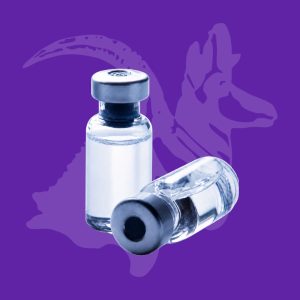
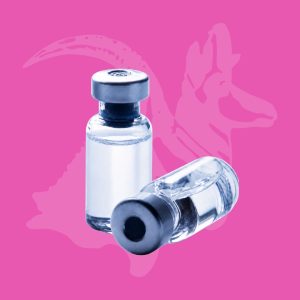
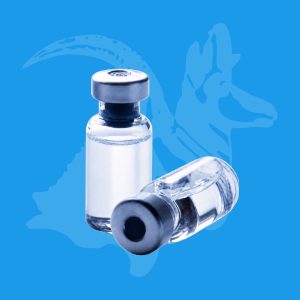
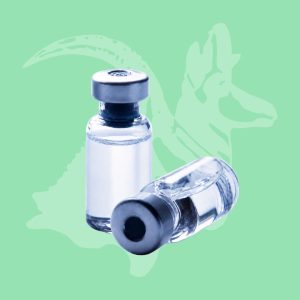
TREXONIL is supplied in a 20 ml clear glass vial with a grey rubber stopper and white plastic cap.
Storage Instructions
Store at or below 25 °C.
Protect from light.
KEEP OUT OF REACH OF CHILDREN AND UNINFORMED PERSONS.
Registration Number
06/1.3/05
Holder of the Certificate of Registration
Wildlife Pharmaceuticals (Pty) Ltd
38 Wilken Street
Rocky Drift
White River
1240
South Africa
Date of Publication
22 September 2021